
An HVAC zoning system offers a customized solution for heating and cooling your home, providing tailored comfort for different areas. Installing a zoning system can significantly enhance your home’s energy efficiency and comfort levels. This guide covers everything you need to know about HVAC zoning system installation, including benefits, the installation process, and maintenance tips.
Key Points
- Benefits of an HVAC Zoning System
- The Installation Process
- DIY vs. Professional Installation
- Post-Installation Maintenance
- Fun Facts About HVAC Zoning Systems
- FAQs
- Why Choose All Heart Heating & Cooling for Your Zoning System Installation
Benefits of an HVAC Zoning System
Installing an HVAC zoning system provides several advantages that improve both comfort and energy efficiency in your home. Here are the primary benefits:
- Enhanced Comfort: Zoning systems allow you to set different temperatures for different areas (zones) in your home, ensuring everyone is comfortable.
- Energy Efficiency: By only heating or cooling occupied zones, you can reduce energy consumption, leading to lower utility bills.
- Cost Savings: The improved efficiency of a zoning system translates to significant cost savings over time.
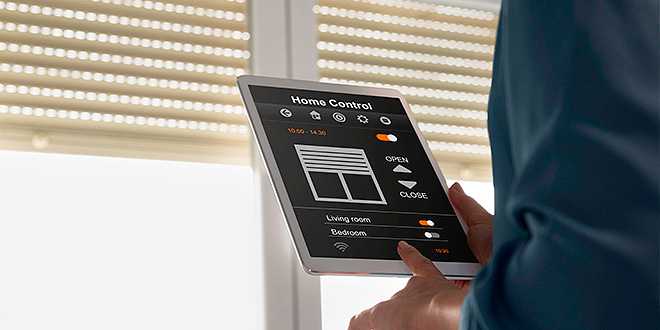
- Customizable Control: Modern zoning systems often come with smart controls, enabling you to adjust settings remotely via smartphone or tablet.
- Prolonged HVAC Lifespan: Reducing the workload on your HVAC system by targeting specific zones can help extend its overall lifespan.
The Installation Process
The installation of an HVAC zoning system involves several critical steps to ensure optimal performance and efficiency:
- Initial Assessment and Planning: A professional HVAC technician will assess your home’s layout and existing HVAC system to determine the best way to implement a zoning system. This includes identifying the number of zones needed and the appropriate placement of thermostats and dampers.
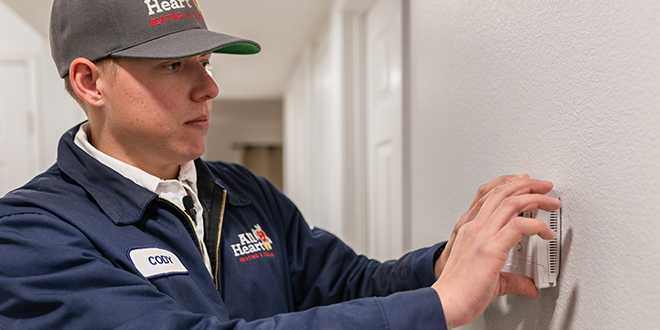
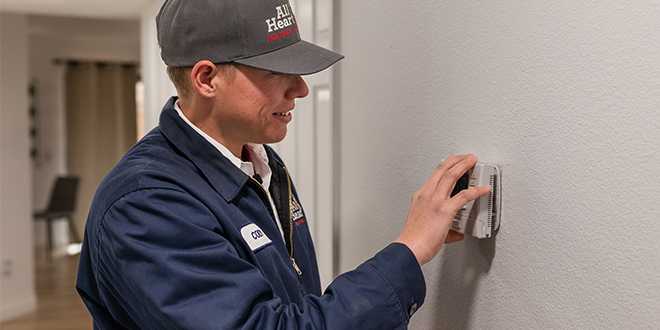
- Thermostat Installation: Thermostats are installed in each zone to monitor and control the temperature. These thermostats communicate with the control panel to adjust the dampers as needed.
- Damper Installation: Dampers are placed within the ductwork to control the flow of air to each zone. These motorized dampers open or close based on signals from the control panel, directing conditioned air where it’s needed.
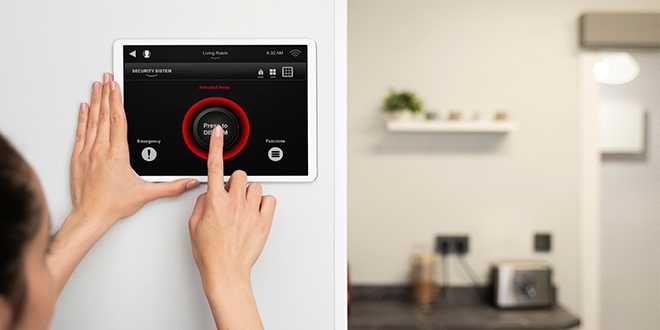
- Control Panel Setup: The control panel acts as the system’s brain, coordinating between the thermostats and dampers. The panel is configured to ensure each zone maintains its desired temperature.
- Integration and Testing: Once all components are installed, the system is integrated with your existing HVAC unit. Technicians will perform thorough testing to ensure everything is functioning correctly and make any necessary adjustments.
Steps in HVAC Zoning System Installation
| Step | Description |
| Initial Assessment | Evaluate home layout and existing HVAC system. |
| Thermostat Installation | Install and configure thermostats in each zone. |
| Damper Installation | Install dampers within the ductwork. |
| Control Panel Setup | Configure the control panel for system coordination. |
| Integration and Testing | Integrate with existing HVAC unit and perform testing. |
DIY vs. Professional Installation
While some homeowners may consider DIY installation to save money, professional installation is highly recommended for several reasons:
- Expertise: Professional technicians have the knowledge and experience to properly assess your home’s needs and install the system correctly.
- Efficiency: A professional installation ensures that all components are correctly configured and working together efficiently, which can be challenging for DIYers.
- Warranty: Many HVAC zoning systems come with a warranty that may be voided if the installation is not performed by a certified professional.
- Safety: Proper installation involves handling electrical components and ductwork, which can be hazardous without the right skills and tools.
For a professional and hassle-free installation, explore our AC Installation service.
Post-Installation Maintenance
Regular maintenance is crucial to ensure your HVAC zoning system continues to operate efficiently and effectively:
- Regular Inspections: Schedule annual inspections with a professional to check all components, including thermostats, dampers, and the control panel.
- Filter Replacement: Replace air filters regularly to maintain good airflow and air quality.
- System Cleaning: Ensure that ducts and vents are cleaned periodically to prevent dust buildup and improve system efficiency.
- Thermostat Calibration: Check and calibrate thermostats regularly to ensure accurate temperature readings and optimal performance.
Explore our comprehensive AC Maintenance services to keep your system running smoothly.
Fun Facts About HVAC Zoning Systems
- Smart Home Integration: Many zoning systems can be integrated with smart home systems, allowing you to control temperatures from anywhere using your smartphone.
- Energy Savings: Studies have shown that HVAC zoning systems can reduce energy usage by up to 30%, significantly lowering your carbon footprint.
- Increased Comfort: Zoning systems can eliminate common issues such as hot and cold spots, providing a more consistent and comfortable indoor environment.
FAQs
Q: How many zones can I have in my home with a zoning system?
A: The number of zones depends on the size and layout of your home. Typically, a zoning system can support 2-8 zones, but larger systems can accommodate more.
Q: Can an HVAC zoning system be added to my existing HVAC setup?
A: Yes, zoning systems can often be retrofitted to existing HVAC setups. A professional can assess your current system and determine the best approach for integration.
For more information on retrofitting and installation, explore our AC Installation service.
Q: How often should I maintain my HVAC zoning system?
A: Regular maintenance should be performed at least once a year. This includes checking thermostats, dampers, and the control panel, as well as cleaning ducts and replacing filters.
Visit our AC Maintenance service for comprehensive maintenance plans.
Q: What should I do if my zoning system is not working properly?
A: Start with basic troubleshooting, such as checking the thermostats and replacing air filters. If issues persist, contact a professional for a thorough inspection and repair.
Check out our AC Repair service for expert troubleshooting and repairs.
Why Choose All Heart Heating & Cooling for Your Zoning System Installation
At All Heart Heating & Cooling, we specialize in the professional installation of HVAC zoning systems. Our experienced technicians ensure that your system is installed correctly and efficiently, providing optimal comfort and energy savings for your home. We are committed to delivering high-quality service and ensuring your complete satisfaction.
Ready to enhance your home’s comfort with an HVAC zoning system? Contact All Heart Heating & Cooling today to learn more about our zoning system installation services or to schedule a consultation.
For additional information, visit our Service Areas, explore our AC Installation services, or check out our Financing Options.