
Winter in Bakersfield may not be as harsh as in other regions, but that doesn’t mean you can skip preparing your HVAC system. Keeping your home warm and cozy while managing energy costs is essential for a comfortable winter season. With a few proactive steps, you can enhance the efficiency of your heating system and avoid unexpected breakdowns or high utility bills.
In this blog, we’ll guide you through a comprehensive HVAC checklist to help you maintain a warm home without breaking the bank. From sealing your home to scheduling professional maintenance, these tips will ensure your heating system is ready for the chilly months ahead.
Ready to optimize your HVAC system for winter? Let’s get started!
1. Seal and Insulate Your Home
Proper insulation and sealing are crucial for maintaining a warm and energy-efficient home during winter. Even the most efficient HVAC system can struggle to keep your home comfortable if heat is escaping through gaps and poorly insulated areas.
Tips for Sealing and Insulating Your Home:
- Check Windows and Doors:
- Inspect windows and doors for drafts and gaps. Use weatherstripping or caulking to seal any openings where warm air might be escaping.
- Insulate Attic and Walls:
- Ensure your attic and walls are adequately insulated to prevent heat loss. Adding insulation to your attic can significantly reduce your heating costs.
- Seal Ductwork:
- Leaky ductwork can lead to substantial heat loss, making your system work harder. Inspect your ductwork for leaks and seal them with mastic sealant or metal tape. For larger issues, consider contacting a professional for repairs.
Properly sealing and insulating your home can help you save on energy costs and improve indoor comfort. For more information on enhancing your home’s heating efficiency, explore our heating services or contact us for personalized advice.
2. Optimize Your Thermostat Settings
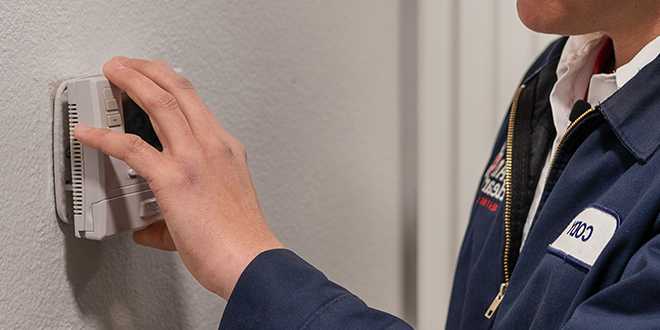
Optimizing your thermostat settings is one of the easiest and most effective ways to save on heating costs without sacrificing comfort. By making a few adjustments, you can ensure your home stays warm while minimizing energy consumption.
Recommended Thermostat Settings:
- Set It and Forget It:
- For the best balance between comfort and efficiency, set your thermostat to 68°F when you’re home and awake. Lower it by 7-10°F when you’re sleeping or away from home to save up to 10% on heating costs annually.
- Use a Programmable or Smart Thermostat:
- A programmable thermostat can automatically adjust the temperature based on your schedule, so you’re not heating an empty house. Smart thermostats take it a step further by learning your habits and making real-time adjustments to maximize efficiency.
- Avoid Extreme Changes:
- Don’t drastically change the temperature settings, as this can force your HVAC system to work harder and consume more energy. Instead, make gradual adjustments to find a comfortable and efficient setting.
- Check Placement:
- Ensure your thermostat is placed away from direct sunlight, drafts, and heat sources. An inaccurate reading can cause your system to overheat or underheat your home.
By optimizing your thermostat settings, you can maintain a comfortable environment while keeping your energy bills in check. If you’re considering upgrading to a smart thermostat, our heating installation services can help you find the best option for your home.
3. Check and Replace Air Filters
Air filters play a critical role in maintaining your HVAC system’s efficiency and the air quality in your home. Dirty or clogged filters can restrict airflow, causing your system to work harder and consume more energy, which leads to higher heating bills and potential system damage.
How to Check and Replace Your Air Filters:
- Locate the Air Filter:
- Most filters are located in the return air duct or near the blower compartment of your furnace. Check your owner’s manual if you’re unsure where to find it.
- Inspect the Filter:
- Remove the filter and hold it up to the light. If you can’t see light through it or it appears clogged with dust and debris, it’s time for a replacement.
- Choose the Right Filter:
- Select a filter that matches your HVAC system’s requirements. Higher MERV ratings provide better filtration but can also restrict airflow, so it’s important to balance air quality needs with system efficiency.
- Replace the Filter:
- Insert the new filter, ensuring it’s installed in the correct direction as indicated by the arrows on the frame. Replace your filters every 1-3 months, depending on usage and whether you have pets or allergies.
Regularly replacing your air filters not only improves the efficiency of your HVAC system but also enhances indoor air quality, making your home healthier and more comfortable. For comprehensive maintenance and expert guidance, check out our heating maintenance services.
4. Schedule a Professional HVAC Tune-Up
A professional HVAC tune-up is essential for keeping your system running efficiently and reliably throughout the winter. Regular maintenance can identify potential issues before they become costly repairs and ensure your heating system operates at peak performance.
What’s Included in a Professional Tune-Up?
- Thorough Inspection:
- A trained technician will inspect all components of your HVAC system, including the heat exchanger, burners, and electrical connections. This helps identify wear and tear or any issues that could lead to malfunctions.
- Cleaning and Lubrication:
- Dust and debris can build up inside your system, reducing efficiency and increasing the risk of breakdowns. Technicians will clean critical components and lubricate moving parts to ensure smooth operation.
- Check and Test Safety Features:
- The technician will test safety features like the carbon monoxide detector and the furnace safety switch to ensure your system is running safely. This step is crucial for preventing hazardous situations.
- Calibration and Adjustment:
- The technician will calibrate the thermostat and adjust system settings to optimize performance. This ensures your HVAC system is delivering the right amount of heat for your comfort.
- Ductwork Inspection:
- If needed, the technician will inspect the ductwork for leaks or blockages that could be affecting system efficiency.
Regular tune-ups help your HVAC system run more efficiently, reduce the likelihood of unexpected breakdowns, and can even extend the lifespan of your equipment. To schedule a professional tune-up with our experienced team, visit our heating maintenance services page and set up an appointment today.
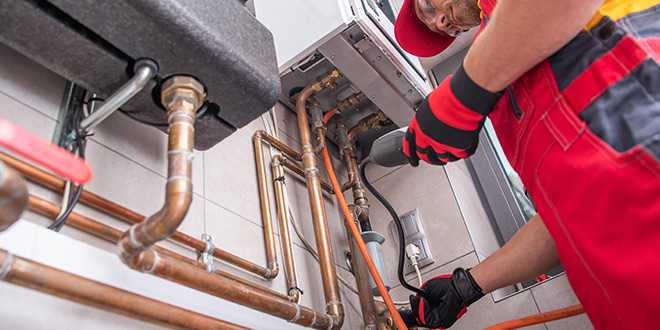
5. Inspect Ductwork for Leaks
Leaky ductwork can significantly impact the efficiency of your HVAC system, causing up to 30% of the heated air to escape before it reaches your living spaces. This not only makes your system work harder but also drives up your energy bills. Inspecting and sealing your ducts can enhance your heating system’s performance and improve indoor comfort.
How to Check for Leaks in Your Ductwork:
- Visual Inspection:
- Examine accessible ductwork in your attic, basement, or crawl spaces. Look for visible gaps, disconnected sections, or holes where air might be leaking.
- Feel for Air Leaks:
- With the HVAC system running, carefully run your hand along the duct seams and joints. If you feel warm air escaping, there’s likely a leak.
- Use Smoke or Incense:
- Light a stick of incense or a smoke pencil near the duct joints. If the smoke wavers or is blown around, you’ve found a leak.
Sealing Minor Duct Leaks:
- Use mastic sealant or HVAC aluminum foil tape to seal any small leaks or gaps you find. Avoid using standard duct tape, as it tends to deteriorate over time.
- For larger or inaccessible leaks, it’s best to contact a professional for a thorough inspection and repair.
Well-sealed ductwork ensures that your heated air reaches every room efficiently, reducing strain on your HVAC system and helping you save on energy costs. If you suspect significant ductwork issues, consider scheduling a service with our team through our heating repair services.
6. Consider Upgrading Your HVAC System
If your HVAC system is over 15 years old or frequently needs repairs, it might be time to consider an upgrade. While a new system is an investment, the long-term benefits of improved efficiency, reliability, and lower energy bills can outweigh the initial costs.
Signs It’s Time to Upgrade:
- Frequent Repairs:
- If your HVAC system needs constant repairs or if the cost of repairs is approaching the price of a new unit, it’s a good indication that it’s time for a replacement.
- Inefficiency and High Energy Bills:
- Older systems are less energy-efficient, leading to higher heating bills. Modern HVAC units, especially those with high SEER (Seasonal Energy Efficiency Ratio) ratings, can significantly reduce your energy consumption and costs.
- Uneven Heating:
- If some rooms are too hot while others are too cold, it may indicate that your system is no longer distributing heat effectively. Upgrading to a new, energy-efficient system can resolve these issues and provide consistent comfort throughout your home.
- Unusual Noises or Odors:
- Loud noises or strange smells coming from your HVAC system can signal serious internal issues that may not be worth repairing.
- Rising Repair Costs:
- As your system ages, the cost of parts and repairs tends to increase. Upgrading to a newer system can save you from these recurring expenses.
Energy-Efficient Options to Consider:
- Heat Pumps: These systems are highly efficient, providing both heating and cooling capabilities, which can reduce your overall energy use. Learn more about our heat pump options.
- High-Efficiency Furnaces: Modern furnaces with high AFUE (Annual Fuel Utilization Efficiency) ratings convert more fuel into heat, which can lower your heating costs.
Upgrading your HVAC system can not only enhance your home’s comfort but also offer significant energy savings. For personalized advice and installation options, explore our heating installation services or contact us to discuss your needs with one of our experts.
Conclusion: Stay Warm and Save Money This Winter
With the right preparation, you can keep your home warm and cozy throughout the winter months in Bakersfield without overspending on energy bills. By following this HVAC checklist—sealing and insulating your home, optimizing thermostat settings, replacing air filters, scheduling a professional tune-up, inspecting ductwork, and considering an upgrade when necessary—you can ensure your heating system operates efficiently and reliably.
Taking these steps not only helps you save money but also extends the lifespan of your HVAC system, providing peace of mind and comfort all winter long. For professional maintenance, repairs, or installation services, visit our heating services page or contact us to schedule an appointment with one of our expert technicians.
Stay warm, save money, and enjoy a comfortable winter season with All Heart Heating & Cooling! ❄️💡