
Winter energy bills can feel brutal. One month you’re cruising, the next your statement jumps and you’re left wondering what changed. For many homeowners in Lancaster, Palmdale, Santa Clarita, Tehachapi, Bakersfield, Ridgecrest, and nearby areas, the answer is a mix of colder outdoor temps, longer heater run times, and hidden efficiency problems inside the home. The good news is you can lower winter energy costs without sacrificing comfort—especially when you focus on the biggest drivers of heat loss and system strain.
Why Winter Energy Bills Rise So Fast
Your heating system uses more energy in winter because your home loses heat faster and your furnace has to work harder to maintain the temperature you set.
The Most Common Reasons Your Bill Spikes
- Longer run times: The bigger the temperature difference between inside and outside, the harder your system works.
- Heat loss through leaks: Drafty doors, windows, and attic penetrations let warm air escape.
- Dirty or neglected equipment: Reduced airflow and worn parts force longer cycles and higher energy use.
- Poor insulation: Heat rises, so weak attic insulation can be a major cost driver.
- Thermostat habits: Frequent temp changes or setting the heat too high can increase runtime.
Even small issues can add up quickly when your system runs daily for months.
Start With the Thermostat
Your thermostat settings are one of the easiest levers to pull for savings.
Practical Thermostat Tips That Help
- Keep a consistent setpoint instead of constant up-and-down changes.
- Lower the temperature a few degrees at night or when you’re away.
- Use a programmable thermostat schedule to avoid heating an empty house.
A modest adjustment can reduce run time while still keeping the home comfortable.
Replace Air Filters and Improve Airflow
A clogged filter restricts airflow, which can make your furnace run longer and less efficiently. In winter, filters load up faster because the system runs more often.
Quick Filter Checklist
- Check the filter monthly during winter
- Replace every 1–3 months depending on dust, pets, and allergies
- Don’t “stretch it” if you notice reduced airflow or more dust
If your airflow still feels weak after a filter change, it may be time for a professional check.
Schedule Heating Maintenance to Avoid Waste
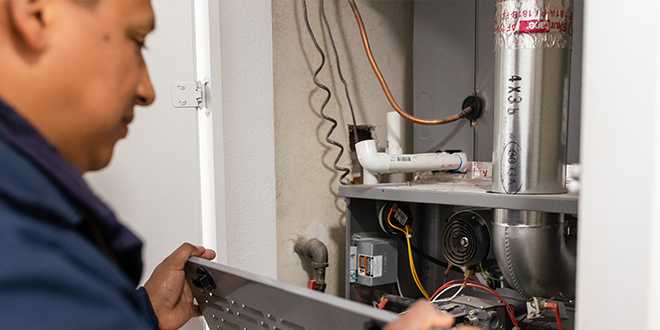
Heating systems lose efficiency when they’re dirty, out of calibration, or struggling with minor mechanical issues. Routine service helps your furnace run cleaner and more efficiently, which can translate to lower energy costs.
Professional heating maintenance can help by:
- Ensuring proper airflow and safe operation
- Catching worn components before they increase run time
- Improving consistency so the system doesn’t short-cycle or overwork
If your furnace is older, inconsistent, or frequently needing repairs, broader heating services may be the best path to improved efficiency and comfort.
Stop Heat Loss at the Source
Heating your home is expensive—losing that heat is even more expensive. Air leaks and insulation gaps are often the biggest hidden reason bills spike.
High-Impact Places to Seal and Insulate
- Attic access doors and pull-down stairs
- Window frames and door thresholds
- Plumbing penetrations under sinks
- Garage-to-house doors and shared walls
- Duct leaks in attics or crawl spaces
Weatherstripping and basic sealing can make the home feel warmer at a lower setpoint.
Use Your Home Like a Heat Battery
Small daily habits can reduce how much your system needs to run.
A few easy wins:
- Open curtains on sunny windows during the day, close them at night.
- Keep supply vents and returns clear of furniture and rugs.
- Use ceiling fans on low, clockwise to circulate warm air down.
- Keep interior doors open to balance temperatures (unless zoning is in use).
These steps help distribute heat more evenly, reducing hot/cold spots that tempt thermostat changes.
Know When High Bills Signal a Bigger Problem
Sometimes a winter bill spike isn’t just “winter being winter.” It can indicate inefficiency or equipment issues that are costing you every day.
Signs You May Need a Professional Evaluation
- Uneven heating between rooms
- Short cycling (system turns on and off frequently)
- Strange smells or noises when heat runs
- A sudden, sustained increase in bills compared to last winter
- Excess dust, dry air, or poor airflow
If you’re seeing these symptoms, a system check can identify what’s driving the cost and how to fix it.
Get Help Lowering Winter Energy Costs
Lower energy bills usually come from a few targeted improvements—not a bunch of random changes. Whether you need preventative heating maintenance, expert heating services to resolve performance issues, or a clear plan for improving comfort and efficiency, All Heart Heating, Cooling, & Plumbing is here to help. To get personalized recommendations, contact us today. You can also learn more about our approach to whole-home comfort on our homepage.