

While Lancaster is known for its hot summers, winter cold snaps can catch homeowners off guard. When temperatures drop, both your plumbing and HVAC systems are at risk of freezing and damage, potentially leading to expensive repairs. Frozen pipes can burst, causing water damage, and your HVAC system may experience strain or malfunction due to freezing conditions.
Fortunately, with some proactive steps, you can protect your home from these risks. Let’s explore how to prevent frozen pipes and HVAC damage during cold snaps in Lancaster.
Tip #1: Insulate Exposed Pipes 🛠️
One of the most effective ways to prevent frozen pipes during cold snaps is to insulate exposed pipes. Pipes in unheated areas such as attics, basements, crawl spaces, and garages are most vulnerable to freezing. Insulating these pipes keeps them warm enough to avoid freezing, even during severe temperature drops.
Here are some common materials you can use to insulate pipes:
- Foam pipe insulation: Affordable and easy to install around pipes.
- Heat tape: Electrically warms pipes and is especially useful for extremely cold areas.
- Pipe sleeves: Pre-formed insulation that wraps around pipes for protection.
Taking the time to insulate now can save you from costly repairs later. If you’re unsure where to start or need professional assistance, All Heart Heating & Cooling offers expert guidance and services to help you protect your home from cold-weather risks.
Tip #2: Keep Your Home Warm
Maintaining a consistent indoor temperature is essential during cold snaps to prevent pipes from freezing and to keep your HVAC system functioning efficiently. Even when you’re not home, it’s important to avoid letting the temperature drop too low. Setting your thermostat to at least 55°F helps keep your pipes from freezing and reduces strain on your HVAC system.
Here are some tips for keeping your home warm:
- Use your thermostat efficiently: Set a consistent temperature throughout the day and night, especially during cold weather.
- Open cabinet doors: This allows warm air to circulate around pipes under sinks and near exterior walls.
- Close garage doors: If your garage has water lines, keeping the doors closed can help retain heat.
For more tips on how to optimize your heating system during winter, reach out to All Heart Heating & Cooling. Our heating services ensure your system is ready for Lancaster’s cold snaps.
Tip #3: Let Faucets Drip to Avoid Pressure Build-Up
One of the easiest and most effective ways to prevent frozen pipes during cold snaps is to allow your faucets to drip slightly. When water freezes inside pipes, it expands and creates pressure, which can lead to burst pipes. By letting faucets—especially those connected to exposed pipes—drip, you relieve pressure in the system, reducing the chance of a rupture.
Focus on:
- Cold water taps: Allow cold water to drip from faucets connected to vulnerable pipes, especially at night when temperatures drop.
- Both hot and cold faucets: In severe conditions, it’s beneficial to allow both hot and cold water to drip from a faucet to keep the flow moving in different pipes.
This simple step can protect your home from major water damage during freezing temperatures. For professional advice on winterizing your plumbing and HVAC system, get in touch with All Heart Heating & Cooling.
Tip #4: Protect Your Outdoor HVAC Unit
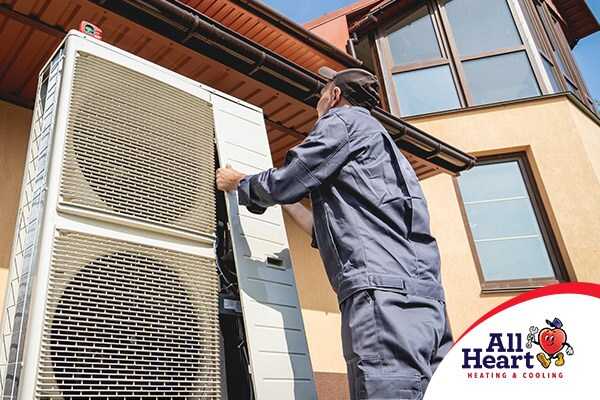
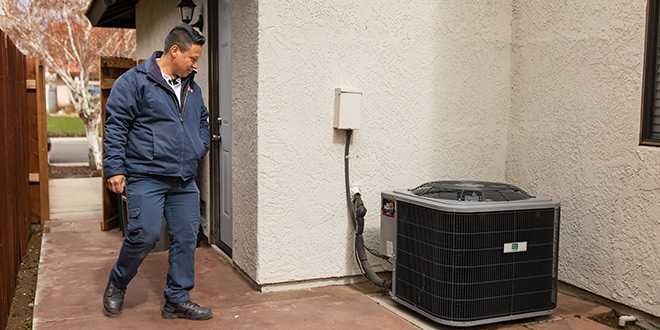
During cold snaps, your outdoor HVAC unit is exposed to freezing temperatures, snow, and ice, which can impact its performance or even cause damage. Proper care and protection of the unit ensure it continues to run smoothly throughout the winter.
Here’s how to protect your outdoor HVAC unit:
- Clear debris: Regularly remove leaves, dirt, and any snow buildup around the unit to maintain proper airflow.
- Use a breathable cover: While covering the unit can prevent ice and snow from entering, make sure the cover is breathable to avoid trapping moisture inside.
- Inspect for ice: Check for ice accumulation on or around the unit. If you notice ice, it’s important to clear it away gently to prevent damage to the components.
If you’re concerned about your system’s performance during freezing weather, or need help with heating repairs, the experts at All Heart Heating & Cooling can provide a thorough inspection and maintenance.
Tip #5: Seal Cracks and Drafts in Your Home
Sealing cracks and drafts is a crucial step in preventing heat loss and protecting both your plumbing and HVAC system during cold snaps. Drafts around windows, doors, and walls can let in cold air, which not only causes pipes to freeze but also forces your heating system to work harder to maintain a consistent indoor temperature.
Here’s how to seal your home effectively:
- Weatherstrip doors and windows: Use weatherstripping to close gaps that allow cold air to enter your home.
- Caulk cracks and gaps: Inspect areas around windows, doors, and any exterior openings for cracks or gaps, and use caulk to seal them.
- Insulate around plumbing: Pay special attention to areas where plumbing runs through exterior walls and seal any openings to prevent drafts.
By sealing your home, you improve energy efficiency and reduce the risk of frozen pipes. For more ways to improve your home’s winter readiness, explore All Heart Heating & Cooling, where we offer heating maintenance and weatherproofing solutions.
Tip #6: Use Smart Thermostats for Optimal Performance
Smart thermostats offer a great way to protect both your pipes and HVAC system during cold snaps by providing better control over your home’s temperature. These devices allow you to monitor and adjust your heating settings remotely, ensuring your home stays warm even when you’re away.
Here’s how smart thermostats can help during cold weather:
- Consistent Temperature Control: You can set the thermostat to maintain a steady temperature to prevent pipes from freezing, even while you’re asleep or out of the house.
- Energy Efficiency: Smart thermostats allow you to program heating schedules to maximize efficiency, using less energy when you don’t need it, and ramping up when temperatures drop.
- Remote Monitoring: With remote control features, you can ensure your home is warm before returning, and adjust settings if temperatures drop unexpectedly.
If you’re considering upgrading your thermostat for better winter performance, All Heart Heating & Cooling can help you select and install the right model to optimize energy use and comfort.
Tip #7: Schedule Regular HVAC Maintenance
One of the best ways to prevent HVAC damage during cold snaps is by scheduling regular maintenance. A well-maintained heating system is less likely to break down or malfunction in freezing conditions, and routine check-ups help ensure that your system is prepared to handle Lancaster’s cold weather.
During an HVAC maintenance service, a professional technician will:
- Inspect and clean components: Ensure your system is free of debris and running efficiently.
- Check for potential issues: Identify and address small problems before they become major breakdowns during a cold snap.
- Test the thermostat and airflow: Verify that your heating system is distributing warm air effectively throughout your home.
Regular maintenance helps your HVAC system perform at its best, extending its lifespan and preventing costly repairs. To prepare your system for winter, schedule heating maintenance with All Heart Heating & Cooling today.
Conclusion: Be Prepared for Lancaster’s Cold Snaps
Cold snaps in Lancaster can lead to frozen pipes and HVAC damage, but with the right preventative measures, you can protect your home and avoid costly repairs. By insulating pipes, maintaining a consistent indoor temperature, sealing drafts, and scheduling regular HVAC maintenance, you can keep your home warm and safe throughout the winter months. Simple actions, such as letting faucets drip and using a smart thermostat, can also provide additional protection for your plumbing and heating system.
For all your winter heating needs—from maintenance to repairs and new installations—the team at All Heart Heating & Cooling is here to help. Don’t wait until the cold hits—take action now to ensure your home is winter-ready!