

An air conditioning system is essential for maintaining indoor comfort, especially during hot weather. However, like any other appliance, it requires regular maintenance and can encounter problems that disrupt its performance. One such issue involves the AC drain pump, a critical component responsible for removing excess condensation from the unit. When problems arise with the drain pump, it can lead to leaks, water damage, and reduced efficiency. This blog will help you understand common AC drain pump problems and provide solutions to keep your system running smoothly.
Key Points Covered
- Common problems with AC drain pumps
- Signs of drain pump issues
- Troubleshooting steps and solutions
- Importance of regular maintenance
- When to call a professional
Glossary of Terms
- AC Drain Pump: A small pump used to remove condensate (excess water) from an air conditioning system, typically found in high-efficiency systems or where gravity drainage is not feasible.
- Condensate: Water that forms as a byproduct of the air conditioning process, typically collected in a drip pan and removed by the drain pump.
- Float Switch: A device that detects water levels in the condensate pan and activates the drain pump to remove the water.
- Condensate Line: The pipe through which excess condensate is expelled from the AC unit to an appropriate drainage location.
- Backflow: The undesirable reversal of water flow in the condensate line, which can lead to overflow and water damage.
Understanding the Role of an AC Drain Pump
The AC drain pump is a vital component in your HVAC system, particularly in high-efficiency models or setups where gravity drainage isn’t possible. Its primary function is to collect and remove the condensation generated by the evaporator coil during the cooling process. This prevents water buildup, which can lead to mold growth, water damage, and system inefficiency. Without a functioning drain pump, your AC system could suffer from water leaks and even electrical issues.
Common AC Drain Pump Problems
Understanding the common problems associated with AC drain pumps can help you diagnose issues early and prevent potential damage. Here are some typical problems you might encounter:
1. Blocked Condensate Line
Overview: A blocked condensate line is one of the most common issues affecting AC drain pumps. Over time, dirt, dust, mold, and algae can accumulate in the line, causing blockages that prevent water from draining properly. This can lead to water overflow and potential damage to your AC unit or surrounding areas.
Solution: Regularly clean the condensate line to prevent blockages. You can use a mixture of vinegar and water to flush the line or a specialized cleaning solution. Installing a filter in the condensate line can also help prevent debris buildup.
2. Faulty Float Switch
Overview: The float switch is crucial in activating the drain pump when the water level in the condensate pan reaches a certain point. A malfunctioning float switch can cause the pump to fail to activate, leading to water accumulation and overflow.
Solution: Inspect the float switch for any signs of wear or damage. Ensure that it moves freely and is not stuck in one position. If the float switch is defective, it may need to be replaced to restore proper pump function.
3. Power Supply Issues
Overview: A lack of power to the drain pump can result in its failure to operate. Power supply issues can arise from loose connections, tripped circuit breakers, or blown fuses.
Solution: Check the power supply to the pump, including any electrical connections. Ensure that the circuit breaker has not tripped and that the fuses are intact. If necessary, reset the breaker or replace the fuses to restore power.
4. Pump Malfunction or Failure
Overview: Over time, the drain pump itself may wear out or fail due to continuous use. This can result in the pump being unable to remove condensate, leading to water buildup and potential damage.
Solution: If the pump is malfunctioning or has failed, it may need to be replaced. Contact a professional HVAC technician to assess the pump’s condition and recommend a suitable replacement if necessary.
5. Backflow and Water Leakage
Overview: Backflow in the condensate line can occur if the pump fails to expel water properly, leading to water leakage and potential water damage to the surrounding area.
Solution: Ensure that the condensate line is properly sloped and free from blockages. Installing a check valve in the line can help prevent backflow and ensure proper drainage.

Signs You Need to Replace Your AC Drain Pump
Recognizing when your AC drain pump needs replacement can save you from more significant issues:
- Persistent Water Leaks: Frequent water leakage around your AC unit can indicate pump failure.
- Unusual Noises: Grinding or squealing noises from the pump suggest mechanical failure.
- Frequent Cycling: If the pump turns on and off more frequently than usual, it may be failing to keep up with demand.
- Inconsistent Operation: If the pump works intermittently or not at all, replacement might be necessary.
DIY Tips for Maintaining Your AC Drain Pump
Homeowners can perform simple maintenance tasks to keep their drain pumps in good condition:
- Clean the Condensate Line: Use a mixture of vinegar and water to flush the line every 3-6 months.
- Inspect the Float Switch: Ensure the float switch is unobstructed and moves freely.
- Check Power Connections: Regularly inspect power connections and ensure they are secure.
- Test the Pump: Pour water into the condensate pan and verify that the pump activates and drains properly.
Common AC Drain Pump Problems and Solutions
| Problem | Description | Solution |
| Blocked Condensate Line | Accumulation of debris causing drainage issues. | Clean the line regularly with vinegar or a cleaning solution. |
| Faulty Float Switch | Malfunctioning switch preventing pump activation. | Inspect and replace the switch if necessary. |
| Power Supply Issues | Electrical problems causing the pump to lose power. | Check connections, reset breakers, replace fuses. |
| Pump Malfunction | Wear and tear leading to pump failure. | Replace the pump with a new unit. |
| Backflow and Leakage | Water reversal causing leaks and potential damage. | Ensure proper line slope and install a check valve. |
How to Choose the Right Replacement Drain Pump
When replacing your AC drain pump, consider the following factors:
- Compatibility: Ensure the replacement pump is compatible with your AC model.
- Capacity: Select a pump with sufficient capacity to handle the condensate volume of your system.
- Features: Consider features like noise level, smart capabilities, and energy efficiency.
- Brand Reputation: Choose a reputable brand known for quality and reliability.
The Importance of Professional Advice
While DIY maintenance is possible, consulting with HVAC professionals ensures your AC system receives the best care:
- Expert Diagnosis: Professionals can accurately diagnose issues and recommend appropriate solutions.
- Proper Installation: Professional installation ensures optimal pump performance and longevity.
- Comprehensive Maintenance Plans: Customized maintenance plans can prevent issues and prolong system life.
Environmental Impact of Proper AC Drainage
Proper AC drainage through a well-maintained drain pump offers several environmental benefits:
- Reduced Mold Growth: Efficient condensate removal prevents mold and mildew growth, improving indoor air quality.
- Energy Conservation: A functioning pump enhances system efficiency, reducing energy consumption.
- Water Conservation: Proper drainage prevents water waste and promotes responsible water management.
Fun Facts About AC Drain Pumps
- Critical Component: AC drain pumps are essential for high-efficiency systems, ensuring that excess moisture is efficiently removed, preventing mold growth and water damage.
- Compact Design: These pumps are typically small and compact, making them easy to install in tight spaces within an AC unit.
- DIY-Friendly Maintenance: Regular cleaning of the condensate line is a simple DIY task that can prevent many common issues with AC drain pumps.
- Smart Pumps Available: Some modern AC drain pumps come with smart technology, allowing remote monitoring and alerts for potential issues.
- Dual Functionality: In some HVAC systems, drain pumps can also assist in heat pump applications, providing cooling and heating efficiency.
FAQ: Troubleshooting AC Drain Pump Issues
- What are the signs that my AC drain pump is malfunctioning?
- Common signs include water leakage around the unit, unusual noises from the pump, or frequent cycling of the pump.
- How often should I clean the condensate line?
- It’s recommended to clean the condensate line every 3-6 months, especially during peak cooling seasons.
- Can I replace the drain pump myself?
- While some DIY enthusiasts may attempt replacement, it’s best to hire a professional to ensure proper installation and avoid potential complications.
- What should I do if I suspect a faulty float switch?
- Inspect the switch for obstructions or damage and test its functionality. If unsure, contact a professional technician for assessment.
- Why is water leaking from my AC unit?
- Water leakage may result from a blocked condensate line, faulty pump, or improper drainage slope. Address the issue promptly to prevent water damage.
- What causes backflow in the condensate line?
- Backflow can occur due to blockages or an improperly sloped line, leading to water accumulation and potential overflow.
- How can I prevent AC drain pump issues?
- Regular maintenance, including cleaning the condensate line and inspecting the pump components, can prevent most common issues.
- Are there any modern advancements in AC drain pumps?
- Yes, some modern pumps feature smart technology, offering remote monitoring and alerts for potential problems.
- What is the role of a check valve in the condensate line?
- A check valve prevents backflow by allowing water to flow in one direction, ensuring proper drainage.
- When should I call a professional for AC drain pump problems?
- If you’re unable to resolve the issue through basic troubleshooting, it’s best to contact a professional for diagnosis and repair.
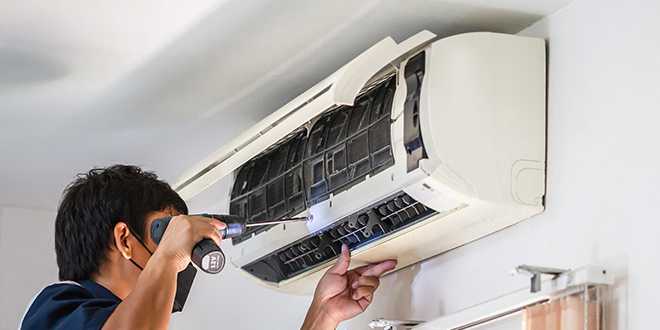
Keep Your AC Running Smoothly with All Heart Heating & Cooling
Proper maintenance and timely troubleshooting of AC drain pump issues are crucial for ensuring the efficiency and longevity of your air conditioning system. At All Heart Heating & Cooling, our experienced technicians are ready to assist with any AC maintenance or repair needs. Don’t let drain pump problems disrupt your comfort—contact us today to schedule a service appointment and keep your system running smoothly.